
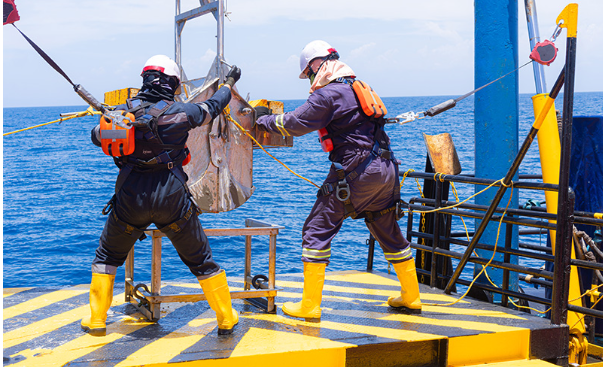

Maintaining a vessel’s operational integrity involves more than regular inspections and routine repairs. One critical aspect that is sometimes forgotten is marine cleaning. Whether it is tank cleaning for fuel or ballast tanks or general marine cleaning for deck and hull maintenance, neglecting these services can lead to significant operational, environmental, and financial risks.
Discover four hidden dangers of failing to prioritise marine cleaning services and why ship operators must incorporate these practices into their maintenance schedules.
1. Increased Risk of Corrosion and Structural Damage
One of the most serious consequences of ignoring marine cleaning services is the accelerated corrosion of metal surfaces. Tanks, hulls, and other vessel parts are constantly exposed to harsh environmental conditions, including saltwater, moisture, and chemical residues. Substances such as sludge, sediment, and microbial growth can build up in tanks and pipelines without regular tank cleaning services. This instance leads to the corrosion of internal surfaces, which, over time, compromises the structural integrity of the vessel. Corrosion is not just a cosmetic issue; it can cause leaks, system failures, and, in extreme cases, structural collapse. Regular marine cleaning ensures that corrosive substances are removed promptly, extending the lifespan of the vessel and reducing repair costs.
2. Increased Operational Downtime and Maintenance Costs
Neglecting marine cleaning services often results in unexpected equipment failures, which lead to unscheduled downtime. Accumulated deposits in fuel and ballast tanks can cause blockages, affecting the performance of engines and pumping systems. There is a higher chance of equipment breakdown when tank cleaning is ignored, which can result in costly repairs and delays in operations. Additionally, marine cleaning is integral in preventing fouling on hull surfaces, which directly impacts a vessel’s speed and fuel efficiency. Vessels with heavy biofouling consume more fuel and require more frequent dry-docking for maintenance, increasing operational costs and reducing profitability. Investing in regular marine cleaning minimises these risks and keeps vessels running at optimal performance.
ALSO READ: A Healthy Ship is a Happy Ship: Avoiding the Risks of Air Duct Contamination
3. Regulatory Non-Compliance and Penalties
The shipping industry is subject to strict environmental and safety regulations. Failure to comply with these standards can lead to heavy fines, penalties, and reputational damage. Tank cleaning services are essential for compliance with marine environmental protection standards, such as the International Maritime Organization’s (IMO) regulations on ballast water management and fuel quality. Residues left in tanks can lead to non-compliant discharges, polluting marine ecosystems and exposing the shipowner to legal consequences. Regular marine cleaning helps operators meet international and local regulatory requirements, reducing non-compliance risk and protecting the company’s reputation.
4. Environmental Hazards and Pollution Risks
Marine cleaning is not just about maintaining the vessel; it plays a critical role in protecting the aquatic environment. Tanks that are not properly cleaned may leak hazardous substances, such as oil residues or chemicals, into the ocean, causing significant environmental damage. The impact of such pollution can lead to long-term ecological harm, affect fisheries, and disrupt marine biodiversity. Furthermore, cleaning neglected tanks often requires more aggressive cleaning agents and methods, increasing the risk of introducing pollutants during the cleaning process itself. Operators can prevent accidental discharges, reduce environmental risks, and demonstrate their commitment to sustainability in the shipping industry by incorporating routine marine cleaning.
Conclusion
Neglecting marine cleaning may appear to be a minor oversight, but the repercussions can be serious. From structural damage and operational disruptions to regulatory penalties and environmental damage, the consequences of disregarding marine and tank cleaning services far outweigh the short-term savings. Ship operators must prioritise regular marine cleaning as a core part of their maintenance strategy to ensure the safety, efficiency, and sustainability of their operations. Regular inspections, planned cleaning, and a proactive approach to maintenance are the best ways to avoid the hidden dangers that come with ignoring this vital component of vessel management.
Visit BELFOR and protect your vessels from costly risks today.