

Helicopter engines operate in demanding conditions that continuously stress internal components. High rotational forces, temperature changes, and variable loads require consistent inspection to maintain safety and performance. In 2026, rotorcraft maintenance relies on advanced inspection tools and refined methods that reduce downtime while improving accuracy. Modern inspection practices focus on visual access, data-driven decisions, and technician safety. Understanding current tools, inspection methods, and emerging trends helps maintenance teams maintain reliability and regulatory compliance.
Modern Inspection Tools for Rotorcraft Engines
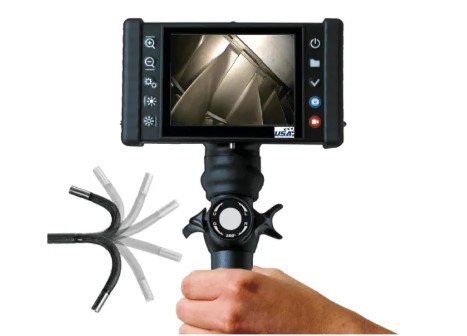
Inspection tools used in helicopter maintenance have advanced significantly. Borescopes and videoscopes now provide high-resolution imaging that allows technicians to view turbines, compressors, gearboxes, and combustion areas without disassembly. Compact probe diameters and flexible articulation enable access to tight engine spaces. Integrated lighting systems improve visibility in dark cavities, while digital displays offer clear visuals during inspections. These tools allow maintenance teams to assess internal conditions efficiently and accurately.
Videoscopes and Their Role in Engine Checks
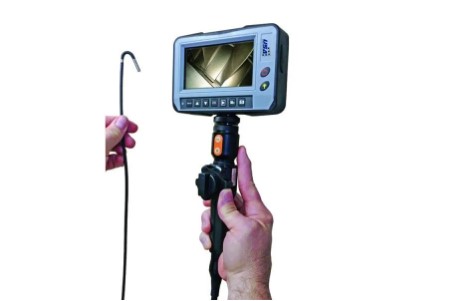
Videoscopes have become standard equipment for helicopter engine inspections. Live video feeds allow technicians to adjust probe position in real time, improving inspection coverage. Many systems support image capture and video recording for documentation and analysis. Measurement tools embedded within videoscopes allow technicians to quantify wear, cracks, or erosion directly from captured visuals. This capability supports consistent evaluation and informed maintenance planning.
Borescopes for Precision Assessment
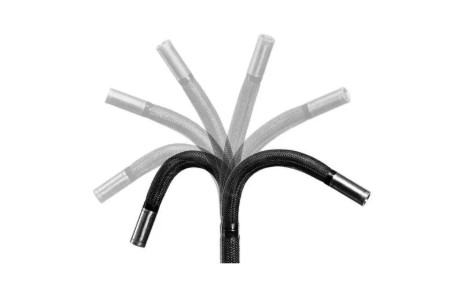
Borescopes remain essential for detailed inspection tasks. Their narrow probes allow access through designated inspection ports, reducing the need for component removal. Articulating tips help technicians inspect curved surfaces and hidden areas within engines. Clear imaging supports identification of early wear indicators that may affect performance. Regular use of borescopes helps maintenance teams detect issues early and schedule corrective action efficiently.
Standard Inspection Methods in 2026
Inspection methods in 2026 emphasize consistency and repeatability. Maintenance teams follow structured inspection sequences to ensure all critical components are examined. Defined scanning patterns reduce the risk of missed areas and improve inspection reliability. Visual inspections are often combined with data review from previous cycles, allowing technicians to compare current conditions with historical records. This approach supports informed decision-making and improves long-term maintenance outcomes.
Best Practices for Effective Inspections
Effective helicopter engine inspections depend on preparation and technique. Technicians should verify equipment condition before inspections, ensuring lenses are clean and articulation controls function smoothly. Controlled probe movement improves image clarity and coverage. Adjusting lighting and focus based on surface reflectivity enhances defect visibility. Capturing images at consistent reference points supports documentation and trend analysis. These practices improve inspection efficiency and accuracy.
Data Capture and Documentation
Digital documentation plays a key role in modern maintenance programs. Images and videos captured during inspections provide a permanent record of engine condition. Annotated visuals help maintenance teams communicate findings clearly and plan repairs. Organized data storage supports regulatory requirements and simplifies future inspections. Reliable documentation also allows comparison across inspection cycles, helping teams identify gradual wear patterns.
Predictive Maintenance Trends
Predictive maintenance has gained importance in helicopter operations. By analyzing inspection data over time, maintenance teams can identify early signs of component degradation. This approach allows repairs to be scheduled during planned maintenance rather than responding to unexpected failures. Predictive strategies reduce downtime, extend component life, and improve operational planning. Visual inspection data from borescopes and videoscopes support these programs effectively.
Technician Training and Skill Development
Advanced tools require skilled operators to achieve reliable results. Training programs in 2026 focus on probe handling, image interpretation, and measurement techniques. Familiarity with specific equipment improves inspection speed and consistency. Ongoing training ensures technicians remain proficient as inspection technology continues to improve. Skilled personnel maximize the value of inspection tools and support safe maintenance practices.
Safety Improvements in Inspection Workflows
Modern inspection tools contribute to safer maintenance environments. Visual access to internal engine areas reduces the need for disassembly, lowering the risk of injury. Flexible probes allow inspections without direct contact with hot or confined components. Improved imaging reduces repeated inspections, further minimizing exposure. Safer workflows protect technicians while maintaining inspection quality.
Integration with Maintenance Systems
Inspection tools increasingly integrate with digital maintenance systems. Captured data can be uploaded directly to maintenance software for analysis and recordkeeping. This integration streamlines workflows and improves coordination between teams. Maintenance planners can access inspection data quickly, supporting efficient scheduling and resource allocation. Digital integration enhances transparency and accountability within maintenance operations.
Managing Downtime and Efficiency
Reducing downtime remains a priority for helicopter operators. Advanced inspection tools shorten inspection times while maintaining accuracy. Faster assessments allow helicopters to return to service sooner. Early detection of issues prevents extended maintenance events and unplanned outages. Efficient inspections support operational readiness and cost control.
Emerging Trends in Rotorcraft Maintenance
Emerging trends focus on improved imaging, enhanced articulation, and better data analysis. Inspection tools continue to become smaller, more flexible, and more capable. Measurement accuracy and image clarity are improving, supporting confident decision-making. Maintenance programs increasingly rely on data trends to guide planning. These trends indicate continued emphasis on efficiency, safety, and reliability.
Inspection Solutions Built for Modern Rotorcraft Maintenance
Helicopter engine inspections in 2026 rely on advanced tools, structured methods, and skilled technicians to maintain safety and performance. As rotorcraft maintenance continues to evolve, selecting dependable inspection tools remains essential. For professionals seeking advanced solutions that support accurate helicopter engine inspections and efficient maintenance workflows, USA Borescopes offers equipment designed to meet modern inspection demands. Contact USA Borescopes them today.
About the Author
The author is a technical writer specializing in aviation maintenance and inspection technology. They focus on translating complex maintenance practices into clear, practical guidance for industry professionals. With experience analyzing rotorcraft systems and inspection workflows, they provide insights that support safety and efficiency. They are committed to producing original, well-researched content that helps maintenance teams maintain reliable engine performance and informed decision-making.