
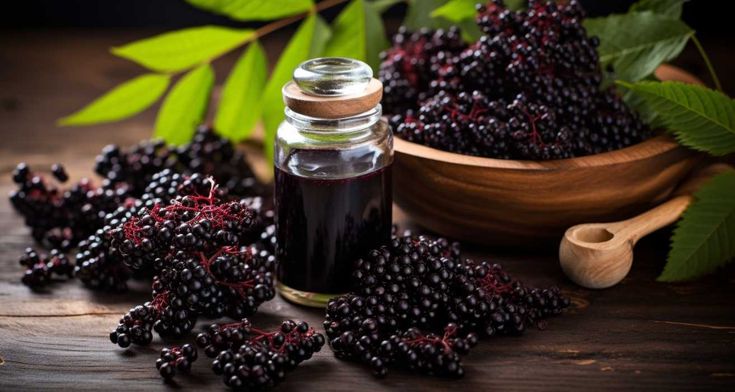

Clean-label foods have captured the attention of food manufacturers around the world, and natural ingredients have emerged as a key consideration. One of the first things consumers notice is color, which is an important consideration in product development when selecting ingredients. Yet there are numerous natural products on the market these days; Black Carrot Concentrate and Elderberry Color are two of the more popular choices that are used to introduce bright colors in naturally derived products.
Both ingredients have different visual properties and can be helpful ingredients to the manufacturer to create appealing colors in a range of foods and beverages. Understanding exactly what these options can do helps brands make really smart decisions during the recipe process.
What Makes Black Carrot Concentrate Valuable?
Black Carrot Concentrate is made from specifically grown black carrots, which naturally have a high amount of anthocyanins. These pigments give the deep-red, purple and violet colors of food products containing black carrot-based ingredients.
Black Carrot Concentrate is often incorporated in drinks, candy, milk products, frozen desserts and fruits. The ingredient is valued for its high color and the possibility of producing visually interesting products from a plant source.
The excellent color range makes it a valuable addition to the formulator’s toolbox, especially where strong color without synthetic colorant is required.
How Elderberry Color Supports Product Appearance
The use of naturally derived components to produce red, purple and dark berry colors is another type of Elderberry Color. You will find it in items made from real elderberries or other fruit bases. It simply gives the final product a very distinct, premium look.
It is used in various drinks, sweets, food supplements, desserts and specialty food products. Made from natural ingredients, it comes in a beautiful color range, which makes it an ideal match for manufacturers who want to match their visual communication with the transparency of their ingredients.
Elderberry Color may also provide for the production of special colors for applications within a formulation, for use alongside other natural colors.
Using These Ingredients in Modern Food Formulations
Natural color is often chosen for food development based on the appearance, method of processing and the overall product concept of the food developer. Black Carrot Concentrate and Elderberry Color can be used in a variety of ways and are useful during formulation.
These ingredients can be used in products like fruit beverages, flavored dairy products, confectionery, bakery fillings, and frozen beverages. Developers can easily use these colors by themselves. Or, you know, they can mix different combinations to build unique color shades.
The performance of each ingredient varies according to the product, so it’s important to test the ingredients to find out how well they will work before production starts on a large scale.
Factors That Influence Color Performance
There are a number of factors to be taken into account when producing natural colors. Final appearance of a product can be affected by heat, acidity, moisture, storage conditions and packaging.
Teams often test batches to see how black carrot concentrate and elderberry color actually hold up during factory processing and on store shelves. Doing this testing helps figure out the perfect usage levels and mixing methods. It really keeps your final products looking the same batch after batch.
Also, partnering with expert ingredient suppliers makes this whole setup a lot simpler. They share the technical data you need to hit your exact production goals.
Conclusion
Natural shades of rich, attractive color are feasible for food manufacturers with both Black Carrot Concentrate and Elderberry Color. Foodrgb.com provides details on options for modern food applications in which businesses are interested in exploring naturally sourced color ingredients and formulation support. A natural color approach that is chosen properly can enable manufacturers to create appealing products, yet provide reliable performance and clean label opportunities.