
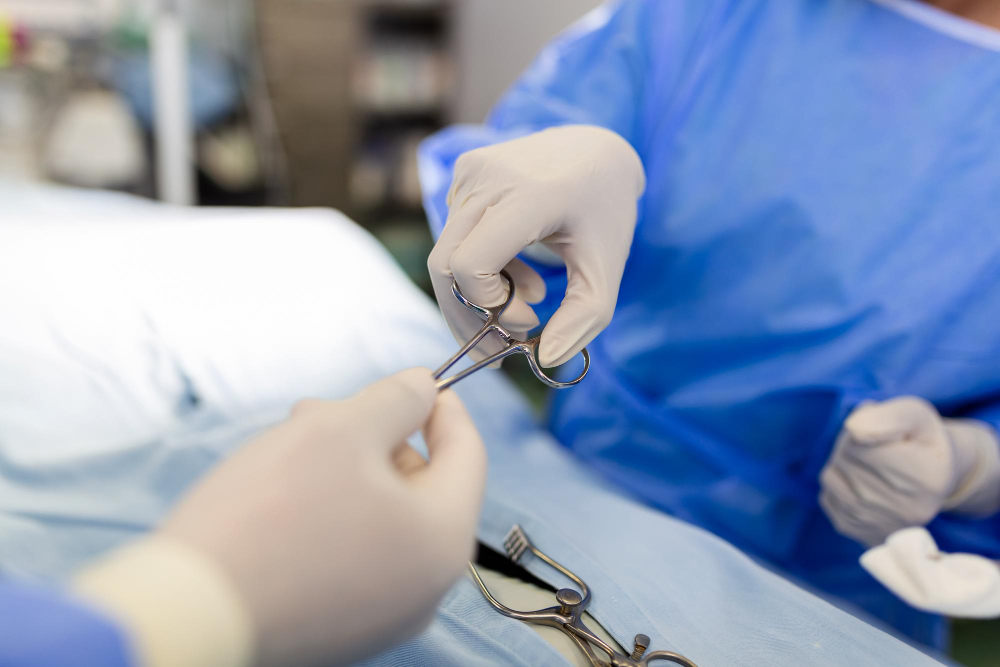

When people think about surgery, their minds often jump to advanced robotic systems, sophisticated imaging technologies, or highly skilled surgeons performing complex procedures. Rarely does anyone leave an operating room discussion talking about the thread used to close a wound. Yet that seemingly simple thread can make a tremendous difference in how well a patient heals.
Surgical sutures are one of those medical innovations that tend to go unnoticed because they have become so familiar. They don’t generate headlines the way breakthrough therapies or cutting-edge surgical techniques do. However, behind nearly every successful surgery is a carefully selected suture helping tissues reconnect, wounds close properly, and healing progress as intended.
What makes surgical sutures particularly interesting is that they sit at the intersection of medicine, material science, and patient care. They may appear simple on the surface, but their design, performance, and application are the result of decades of innovation and clinical experience.
Understanding What Surgical Sutures Actually Do
At their most basic level, surgical sutures are medical threads used to hold tissues together after injury or surgery. Their primary purpose is straightforward: keep wound edges aligned long enough for natural healing to occur. That explanation sounds simple, but the reality is much more nuanced.
Different tissues heal at different rates. Skin, muscle, blood vessels, and internal organs each present unique challenge. A suture that works perfectly in one procedure may be completely unsuitable for another.
Surgeons must consider factors such as tensile strength, flexibility, tissue reaction, knot security, and healing time before selecting the appropriate suture material. In many cases, choosing the right future is just as important as making the correct incision. It’s one of those aspects of medicine where small details can have significant consequences.
A Long History of Supporting Human Healing
The use of sutures dates back thousands of years. Ancient civilizations developed surprisingly creative methods to close wounds, using materials ranging from plant fibers and animal tendons to silk and natural threads.
While those early techniques may seem primitive by modern standards, they reflected a fundamental understanding that damaged tissues heal more effectively when properly supported.
Today’s surgical sutures are the result of centuries of refinement. Advances in manufacturing, sterilization, biomaterials, and surgical science have transformed what was once a basic wound-closure technique into a highly specialized medical field. Modern surgeons now have access to an extensive range of suture options designed for specific clinical situations. This evolution has significantly improved patient outcomes and expanded the possibilities of surgical care.
Why Sutures Remain Essential in Modern Surgery
One might assume that newer wound closure technologies such as staples, tissue adhesives, and surgical glues would eventually replace sutures entirely. Yet sutures remain indispensable across a wide range of procedures. The reason is simple: they offer precision, versatility, and reliability.
Whether performing cardiovascular surgery, orthopedic reconstruction, gastrointestinal procedures, or cosmetic interventions, surgeons often require exact control over tissue approximation. Sutures provide that level of control. In many situations, they also allow for gradual tension distribution across healing tissues, reducing the risk of complications. This capability becomes particularly important in delicate or high-stress surgical environments. Despite advances in alternative closure methods, sutures continue to serve as one of the most trusted tools in the surgical toolkit.
Innovation Is Reshaping the Suture Industry
At first glance, it might seem difficult to innovate something as straightforward as surgical thread. However, the field has experienced considerable technological progress. Modern sutures are available in absorbable and non-absorbable forms. Absorbable sutures gradually break down within the body, eliminating the need for removal in many cases. Non-absorbable sutures remain in place when long-term support is required.
Manufacturers have also developed antimicrobial-coated sutures designed to reduce infection risks. Improvements in material science have led to enhanced flexibility, knot performance, and tissue compatibility.
The growing demand for advanced surgical products is reflected in market trends. During my research, I came across Roots Analysis, and they mentioned that the global surgical sutures market is estimated to grow from $4.79 billion in 2024 to $8.70 billion by 2035, at a steady CAGR of 5.57% during the forecast period. This growth reflects rising surgical volumes, aging populations, and continued advancements in healthcare infrastructure worldwide. As healthcare systems evolve, so too do the expectations placed on even the most familiar medical devices.
The Patient Perspective Often Gets Overlooked
While discussions about sutures often focus on surgeons and manufacturers, patients are directly affected by their performance. A well-chosen suture can support faster healing, minimize scarring, and reduce postoperative complications. Conversely, inappropriate wound closure can contribute to discomfort, delayed healing, or infection.
For many patients, the success of surgery is measured not only by what happens in the operating room but also by how smoothly recovery unfolds afterward. This reality highlights an important point: sutures are not merely technical products. They are tools that directly influence human healing experiences. When viewed from that perspective, their significance becomes much easier to appreciate.
Challenges Facing the Industry
Despite their importance, surgical sutures are not without challenges. Infection prevention remains a major concern across healthcare settings. Even with advanced materials and coatings, maintaining sterile environments and proper surgical techniques is essential.
Cost pressures also affect healthcare providers. Hospitals must balance product performance with budget considerations, particularly in resource-constrained environments. There is also ongoing demand for improved biocompatibility. Researchers continue exploring materials that minimize inflammation while providing optimal support throughout the healing process.
These challenges are driving continued innovation as manufacturers seek to improve both clinical outcomes and operational efficiency.
The Growing Influence of Minimally Invasive Surgery
One trend shaping the future of sutures is the rise of minimally invasive surgical procedures. Techniques such as laparoscopy and robotic-assisted surgery require specialized instruments and closure methods. Sutures used in these environments must often meet unique performance requirements related to handling, precision, and accessibility.
As minimally invasive procedures become increasingly common, demand for advanced suturing technologies is expected to grow as well. This evolution demonstrates how even established medical products continue adapting to changes in surgical practice.
Looking Toward the Future
The future of surgical sutures will likely involve greater integration of advanced biomaterials and smart technologies. Researchers are exploring bioactive sutures that may promote healing, reduce infection risk, or deliver therapeutic agents directly to surgical sites. Some experimental concepts even involve sutures capable of monitoring healing conditions within tissues.
While many of these innovations remain under development, they reflect the ongoing effort to improve patient outcomes through better wound management. The next generation of sutures may do far more than simply hold tissues together.
Conclusion
Surgical sutures are a perfect example of how seemingly simple medical tools can have an extraordinary impact. They support healing, reduce complications, and help surgeons achieve successful outcomes across countless procedures performed every day. Although they rarely receive public attention, their role in healthcare is both fundamental and enduring. From ancient wound-closure techniques to modern antimicrobial and absorbable materials, sutures have evolved alongside medicine itself.
What makes them especially remarkable is their quiet reliability. Patients may never know the specific type of suture used during a procedure, yet their recovery often depends on its performance. In a field filled with complex technologies and groundbreaking innovations, surgical sutures remain a reminder that sometimes the most important medical tools are also the most understated.