
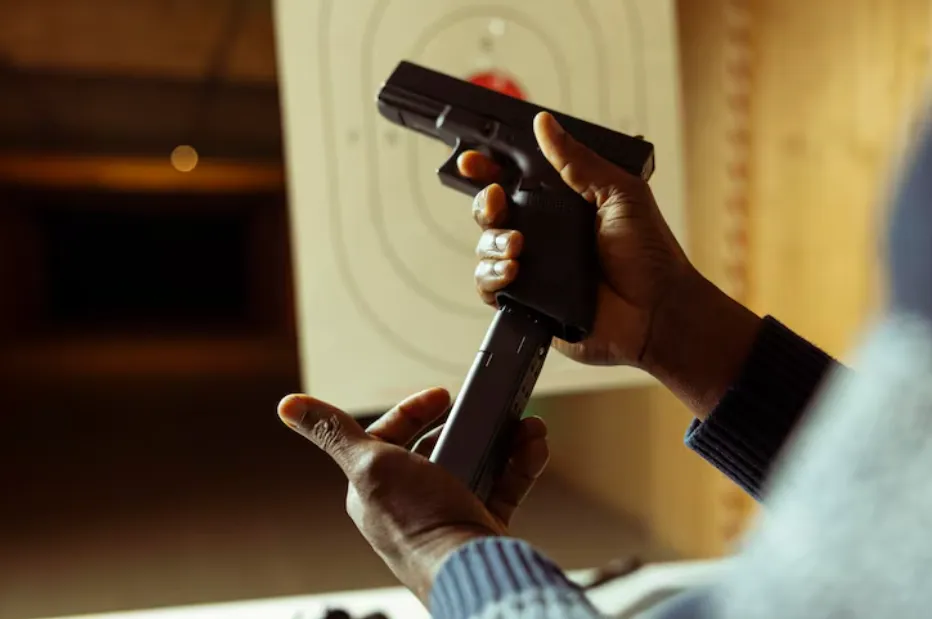
Owning a firearm is a serious responsibility that requires knowledge, discipline, and a strong commitment to safety. Many people purchase firearms for personal protection, sport shooting, or hunting, but responsible ownership involves much more than simply buying a weapon. Proper education and preparation are essential for anyone who plans to handle a firearm. One of the most effective ways to gain this preparation is through professional training. Learning from experienced instructors helps individuals understand the rules, risks, and responsibilities associated with firearms. With the right knowledge and practice, firearm owners can develop the confidence and skills needed to handle weapons safely and responsibly.
Understanding the Basics Through Gun Training
Gun training provides a structured environment where beginners and experienced owners alike can learn the fundamental principles of firearm safety and operation. During training sessions, participants are introduced to different types of firearms, their components, and how they function. This foundational knowledge helps prevent confusion and mistakes that could lead to accidents.
Training programs also teach the universal rules of firearm safety. Participants learn the importance of treating every firearm as if it is loaded, keeping the muzzle pointed in a safe direction, and keeping their finger off the trigger until they are ready to shoot. By practicing these principles repeatedly during gun training, individuals develop habits that promote safe handling in real-life situations.
Building Safe Handling Habits
One of the most valuable outcomes of firearm education is the development of safe handling habits. Proper gun training emphasizes consistent safety practices that become second nature over time. Instructors guide students through step-by-step procedures such as loading, unloading, and storing firearms safely.
Through supervised practice, individuals gain hands-on experience in controlling and handling firearms correctly. This reduces anxiety and uncertainty when handling a weapon. As students become more comfortable with the proper techniques, they are less likely to make dangerous mistakes. Responsible firearm ownership begins with the ability to control and manage a weapon safely in all situations.
Improving Accuracy and Control
Beyond safety, firearm training also focuses on improving shooting accuracy and control. Learning the correct shooting stance, grip, and breathing techniques allows firearm owners to handle their weapons with greater precision. Training environments provide opportunities to practice under the guidance of skilled instructors who can correct mistakes and offer helpful feedback.
Improved accuracy is an important aspect of responsible firearm ownership. When individuals understand how to properly aim and control their firearm, they reduce the risk of unintended harm. Consistent practice during training helps individuals build muscle memory and confidence, which leads to better performance and safer firearm use.
Learning Legal and Ethical Responsibilities
Responsible firearm ownership also involves understanding the legal and ethical responsibilities associated with owning a weapon. Gun training programs often include education about local laws, storage requirements, and when it is legally appropriate to use a firearm.
By learning these rules, firearm owners become more aware of their responsibilities within their communities. Training also emphasizes ethical decision-making and the importance of avoiding unnecessary conflict. This knowledge helps individuals recognize that owning a firearm is not just about protection, but also about accountability and respect for others.
Conclusion
Responsible firearm ownership requires more than simply possessing a weapon; it requires knowledge, discipline, and a commitment to safety. Proper gun training plays a vital role in preparing individuals to handle firearms responsibly by teaching safety rules, improving handling skills, and increasing awareness of legal responsibilities. Through structured learning and supervised practice, firearm owners gain the confidence and competence needed to use firearms safely. Investing time in professional training ensures that individuals are better prepared to protect themselves and others while maintaining the highest standards of responsibility.