
Key Takeaways
-
Learn how to immediately identify propane leaks by their distinct odor.
-
Commit to regular professional inspections and maintenance for all propane systems.
-
Install and maintain carbon monoxide detectors throughout your home.
-
Practice correct storage and handling procedures for propane tanks to minimize risks.
-
Stay informed about how to shut off your gas supply in case of an emergency.
-
Never let your propane supply run out, and follow the manufacturer’s directions for all appliances.
Propane is a dependable and versatile energy source for countless households, supporting everything from home heating to cooking appliances with consistent efficiency. For homeowners relying on systems such as propane gas service Carrollton, TX, understanding how to properly manage and maintain propane usage becomes an essential part of everyday safety. While propane offers convenience and reliability, it also requires careful handling and awareness to ensure a secure living environment.
Whether you are new to propane or have used it for years, developing safe habits and staying informed about its properties can significantly reduce potential risks. Recognizing warning signs, scheduling routine system checks, and ensuring appliances are in good working condition all contribute to a safer home. With a proactive approach, homeowners can continue to benefit from propane’s efficiency while maintaining peace of mind and protecting their household.
Recognize the Smell of Propane
Propane is naturally odorless, but a strong odorant is added so leaks can be detected quickly. Most people describe the scent as similar to rotten eggs or sulfur. If you ever notice this smell in your home, it is important to act immediately. Quickly extinguish open flames, leave the area, and contact your propane provider or emergency services for help. Early detection is a crucial step in preventing fires or explosions and keeping your household safe.
Regular Inspection and Maintenance
One key component of propane safety is committing to regular inspections. Qualified propane service professionals should inspect your tanks, lines, and appliances at least once per year. These checks catch minor issues before they turn into hazardous situations, such as corrosion, leaks, or worn seals. Regular maintenance goes beyond just peace of mind, it can also increase efficiency and prolong the life of your equipment, reducing long-term costs. For more information on home propane safety best practices, authoritative organizations like the Consumer Product Safety Commission offer valuable resources and recommendations.
Install and Maintain Detectors
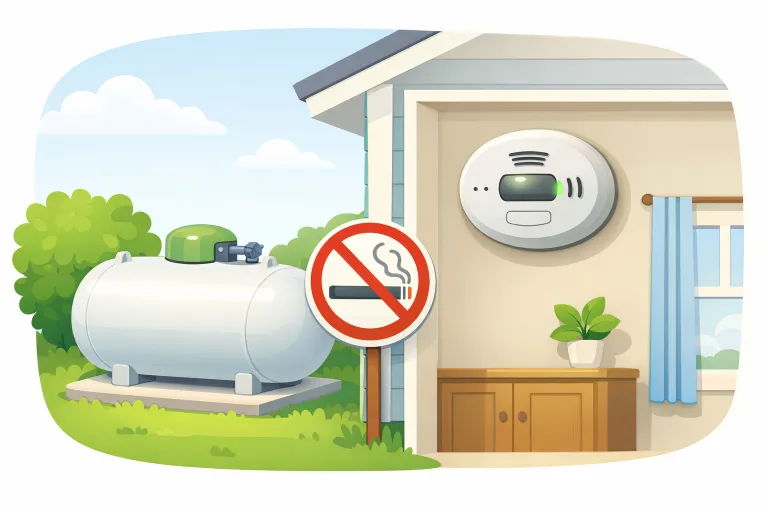
Many propane appliances, especially those used indoors, can produce carbon monoxide (CO) if they are not functioning properly. Because carbon monoxide is both colorless and odorless, dedicated CO detectors are your best defense against this often silent threat. Install CO detectors on every level of your home and test them every month. Replace batteries at least twice a year, and if a detector has expired (most have a lifespan of five to seven years), install a new one immediately.
Proper Storage and Handling of Propane Tanks
Propane tanks require careful storage. Always keep tanks upright and in a well-ventilated area outdoors. Do not store tanks inside your home, basement, garage, or any confined space. When handling tanks, check for visible damage, rust, or leaks before use. A simple test involves applying soapy water around valves and connections. If you see bubbles form, you have a leak and should call a service professional. Never attempt to repair or modify tanks or valves yourself.
Know How to Shut Off the Gas Supply
Every propane user should know how to locate and operate the main shutoff valve on their tank. If you ever suspect a leak, turning off the gas supply is the quickest way to prevent further risk. Instruct all adult family members on how to access and use the shutoff. Keep emergency numbers handy and do not attempt to restart propane appliances until a professional has checked your system for safety.
Avoid Running Out of Gas
Allowing your propane tank to run dry is a serious mistake. When a tank empties, air and moisture can infiltrate the system, promoting internal rust and reducing the reliability of safety features. Additionally, leaks may be harder to detect in a rusty tank. Monitor your fuel levels and maintain a regular delivery schedule to prevent a complete runout. Many companies offer automatic delivery services, so you never have to worry about forgetting a refill.
Use Appliances According to Manufacturer Instructions
Always read your manufacturer’s guidelines before operating any propane-fueled appliance. Using equipment improperly or with the wrong fuel can cause malfunctions, fires, or carbon monoxide buildup. One sign of trouble is a yellow or flickering flame, which suggests incomplete combustion. If you notice changes in flame color or irregular appliance performance, have the appliance checked immediately by a certified technician. Reputable organizations such as the National Fire Protection Association also provide helpful information on safe propane use.
Conclusion
Adopting comprehensive propane safety practices protects not only your home and family but also offers peace of mind as you enjoy the convenience of this fuel. From regular inspections and maintenance to proper tank storage and knowing what to do in case of an emergency, each step plays an important role in risk prevention. Stay informed, remain vigilant, and make safety a part of your everyday routine for a secure and efficient propane experience.