
Introduction to Fire Investigation
Fire investigation is a fascinating career at the intersection of science, public safety, and detective work. It requires professionals who can approach disaster scenes with an analytical mindset and a commitment to uncovering the truth. The foundation of fire investigation lies in determining how and why a fire started, which serves not only to prevent future incidents but also to provide answers and closure to affected families, insurance companies, and legal teams. Those drawn to this career will find themselves delving deeper into the intricate world of forensic science, chemistry, engineering, and the legal system.
As communities grow and face new fire risks, the demand for well-trained fire investigators continues to rise. To meet industry standards, aspiring professionals must pursue specialized education, such as fire investigation courses online, that offer both essential theory and practical experience. These courses introduce aspiring investigators to fire behavior, origin determination, and evidence collection, ensuring that they arrive at real-world scenes equipped with the latest knowledge and investigative techniques. For many, this entry point opens the door to a dynamic, high-impact, and incredibly rewarding career. Participants also develop critical thinking and problem-solving skills that are essential for effective investigations. Additionally, this training emphasizes safety protocols and teamwork, preparing investigators to handle complex and hazardous situations confidently.
Key Responsibilities of a Fire Investigator
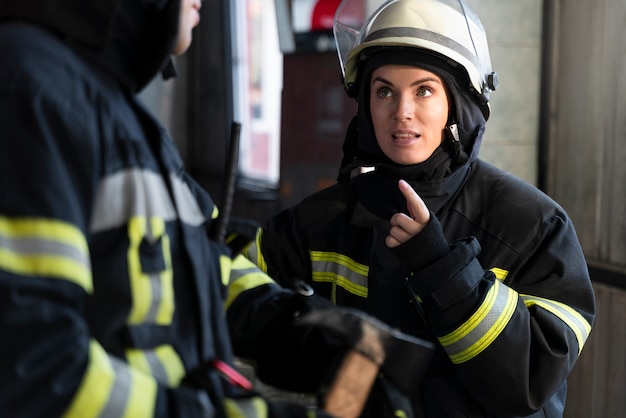
Fire investigators play a crucial role in identifying and investigating unexplained fires or arson. They examine charred structures, vehicles, and wildlands to uncover patterns, often under challenging conditions. They gather physical evidence, such as chemical residues and ignition sources, and document every detail for future analysis. Their duties extend beyond technical examinations, including conducting interviews with witnesses, property owners, and first responders. They prepare impartial reports, which are crucial in legal and insurance proceedings. Many also testify in court, explaining findings to judges or juries. Organizational skills are essential, as fire investigators manage multiple active cases while maintaining high standards of accuracy and professionalism.
Necessary Skills and Education
Fire investigators require a strong academic foundation in fire science, chemistry, physics, or a related field such as criminal justice. The National Fire Protection Association recommends comprehensive training that covers specialized topics, including hazardous materials, flame movement, and preserving physical evidence at fire scenes. A blend of science and investigative technique is crucial for producing credible results. Core skills include analytical ability, effective communication, technical proficiency, empathy, and adherence to cs. Analytical ability involves sifting through conflicting evidence, while communication skills involve documenting findings and explaining complex ideas concisely and understandably. Objectivity ensures integrity, especially when investigations intersect with criminal justice or insurance compensation. Technical proficiency includes familiarity with forensic equipment, software, and drone technology. Empathy and ethics are essential for working with emotionally charged fire victims. Continuous learning through conferences, online courses, and professional associations helps investigators stay updated on evolving best practices.
Certification and Training Pathways
Fire investigators are required to obtain reputable certifications, such as Certified Fire Investigator (CFI), to advance in their profession. These certifications require formal education, hands-on experience, successful completion of examinations, and ongoing professional development. Candidates demonstrate competency and commitment to upholding investigative methodologies and ethical standards. Training in fire investigation is becoming increasingly dynamic with the advent of new technology and innovative learning techniques. Interactive online courses and blended learning opportunities offer flexibility and access to advanced knowledge from anywhere. Practical exercises, mentoring from senior investigators, and virtual case studies are crucial for real-world success in the field.
Industry Trends and Career Outlook
The fire investigation field is adapting to societal needs and technological advancements, offering stable employment opportunities and competitive salaries. The U.S. Bureau of Labor Statistics predicts a consistent demand for fire inspectors and investigators due to the expansion of cities, aging infrastructure, and the adoption of advanced fire prevention measures. Government agencies and private organizations rely on investigators to promote safety, mitigate risks, and uphold legal standards. Advancements in technologies like drones, fire mapping software, and digital forensics are reshaping investigative methods, and professionals are expected to continue training to master these innovative approaches.
Ethical Considerations in the Field
At the heart of every great fire investigator is a commitment to integrity and ethical behavior. Because investigation findings can determine legal liabilities, shape criminal cases, and influence insurance outcomes, strict objectivity is non-negotiable. Investigators must meticulously document their investigative process, remain impartial in their opinions, and ensure their work withstands scrutiny in both legal and public forums. Ethical pitfalls—such as mishandling evidence or making unsubstantiated claims—can erode public trust, compromise career credibility, and undermine the integrity of the justice process.
Many organizations and certifying bodies provide robust ethical guidelines and require regular training in professional conduct. Upholding these standards not only protects the investigator’s reputation but also ensures fair and accurate outcomes for all parties involved.