
Key Takeaways
- Optimizing office layouts can streamline workflow and minimize distractions.
- Natural light and ergonomic solutions improve employee comfort, health, and productivity.
- Addressing noise and effectively integrating technology are essential for focused, efficient work.
Modern workplaces are evolving rapidly, and the design and function of office spaces play an important role in how well employees perform. Thoughtful office renovations can transform not just the look, but also the energy, productivity, and morale within an organization. Forward-thinking businesses understand that physical work environments are closely tied to employee output and well-being, making renovations a strategic investment for long-term success.
Companies now recognize that smart office design helps reduce stress, boost motivation, and foster better collaboration. An improved workspace also makes a notable first impression on clients, attracting talent and retaining existing employees. As organizations look to the future, optimizing the workspace is no longer an afterthought but a necessity for growth.
The impact of an office environment reaches far beyond its visual appeal. In fact, a poorly designed workspace can undermine employee satisfaction and make daily tasks more challenging. Businesses that invest in quality renovations are seeing tangible benefits in both productivity and overall workplace happiness.
In addition, organizations that consider factors such as lighting, acoustic quality, and flexible work areas often report lower turnover and fewer staff health complaints. These improvements can lead to substantial returns on investment. For organizations considering different levels of renovation, a comprehensive office remodel may be the key to unlocking greater efficiency and engagement.
Optimizing Workspace Layouts
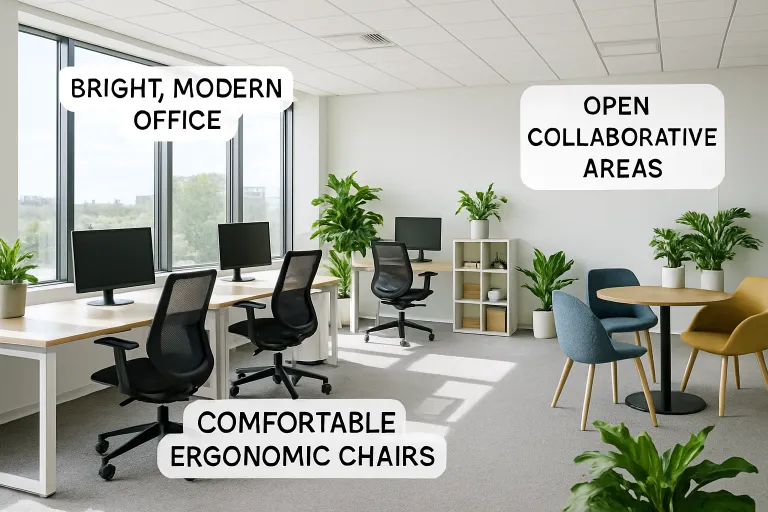
The arrangement of an office affects team interaction and efficiency. Open spaces promote teamwork but can cause distractions if not separated intentionally. Layout changes like breakout zones and private pods help employees choose suitable work environments. Flexible spaces support different working styles, letting extroverts and introverts thrive. During renovation, it’s vital to analyze team interactions and consult employees to reveal hidden issues. Prioritizing workflow reduces unnecessary movement, leading to a smoother, more productive day.
Incorporating Natural Light
Lighting impacts mood, alertness, and health. Natural light helps regulate sleep, boosts morale, and improves mental health. Simple updates like larger windows, transparent partitions, or skylights can reduce the need for artificial lighting. Daylight exposure makes employees feel more energized and less stressed. Using light-colored walls, mirrors, and glass reflects daylight deeper into offices, enhancing comfort, lowering electricity use, and reducing eye strain. Incorporating adjustable task lighting allows individuals to tailor illumination to their specific needs, further improving productivity and well-being. Additionally, strategically placed greenery can diffuse harsh light and create a calming, visually appealing workspace.
Enhancing Ergonomics
Ergonomic office solutions help employees maintain proper posture, minimize strain, and reduce the risk of injury. Adjustable chairs and desks support comfort and customization. Sit-stand desks are popular for their health benefits, including increased movement. Adjustable lighting reduces glare and eye fatigue. Prioritizing ergonomics leads to fewer absences and less discomfort, showing that an organization values its people and boosts loyalty and satisfaction.
Addressing Noise Levels
Sound pollution hampers productivity, especially in open offices. Renovations with sound-absorbing ceiling panels, wall treatments, and partitions reduce noise and create quiet zones. Adding carpet, acoustic screens, and positioning workstations away from communal areas also helps manage disruptive sounds. Designing zones for collaboration and focus helps employees choose suitable work areas. Tackling noise issues boosts concentration, reduces fatigue, and enhances productivity.
Integrating Technology
Modern offices depend on technology for communication, project management, and daily tasks. Upgrading with high-speed internet, wireless charging, and advanced presentation tools enhances workflow and connectivity. Smart solutions like automated lighting and climate control improve comfort and responsiveness. Latest tech tools facilitate collaboration among in-office, remote, and international teams. Seamlessly integrating technology is now essential for competitive businesses. Cloud-based platforms and digital file-sharing systems streamline information access and reduce delays. Virtual meeting technologies bridge geographic gaps, fostering real-time collaboration and stronger team cohesion. Regularly updating software and hardware ensures security, efficiency, and long-term adaptability in an ever-evolving workplace.
Conclusion
Strategic office renovations are far more than cosmetic upgrades. By optimizing layouts, maximizing natural light, improving ergonomics, managing noise, and integrating modern technology, companies can create a workspace that truly supports productivity and employee happiness. Renovating with these goals in mind lays the foundation for sustained growth, better teamwork, and a positive company culture for years to come.