
Payday loans can be a quick fix during financial stress, but their impact on your credit history can linger longer than expected. This article explores how payday loans affect your credit score, the role of lenders like LoanBird, and practical strategies to manage or minimise any long-term damage. Stay informed and take control of your financial well-being with valuable tips and clear guidance.
In a financial pinch, payday loans seem like a convenient lifeline. They’re fast, easy to access, and often don’t require a credit check. But what most people don’t realise is the potential long-term impact on their credit history. Understanding how payday loans affect your credit score is key. So is knowing how to manage the effects if you’ve already taken one.
What Are Payday Loans?
Payday loans are short-term, high-interest loans. They are designed to cover emergency expenses until your next paycheck. While they offer immediate cash, the repayment terms are usually strict and come with steep fees. LoanBird make these loans accessible in just a few clicks. But that convenience comes with responsibility.
How Payday Loans Can Affect Your Credit History
Payday lenders usually don’t report to major credit bureaus. That sounds like good news, right? Not exactly.
Here’s how payday loans can still impact your credit score:
- Defaulting on Payments: If you miss a payment, the lender may send your account to a collections agency. This gets reported to credit bureaus and can lower your credit score.
- Bank Overdrafts: Payday lenders often debit your bank account directly. If you don’t have enough funds, you may end up with overdraft fees and a poor banking history.
- Multiple Loans: Taking out several payday loans in a short time can create a cycle of debt. While credit agencies don’t always track this, it may still affect your overall financial health.
Even if the loan itself isn’t on your credit report, the consequences of mismanaging it often are.
How Credit Scores Work
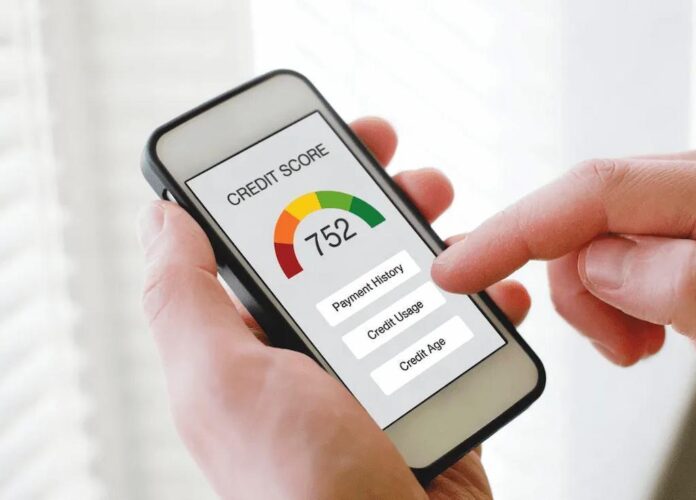
Your credit score is a number that shows how reliable you are at paying back borrowed money. It’s used by:
- Banks
- Credit card companies
- Landlords
- Even some employers
It ranges from 300 to 850. Higher is better. Lenders like LoanBird may not look at this score for payday loans, but future lenders will.
Why People Choose Payday Loans
Here’s why people go for payday loans despite the risks:
- No credit check required
- Fast approval and funds
- Emergency expenses like car repairs or medical bills
- Lack of access to traditional credit
While platforms like LoanBird make it easy, users must understand the risks involved.
How to Manage the Impact on Your Credit
Took out a payday loan and worried about your credit score? Don’t panic. There are steps you can take to limit the damage.
1. Repay On Time
Timely repayment is the most effective way to avoid negative consequences. Set reminders or use automatic payments through LoanBird services to stay on track.
2. Avoid Rolling Over
Rolling over a loan adds more fees. If you can’t repay in full, talk to the lender about partial payments or alternate arrangements.
3. Don’t Take Multiple Loans
Resist the urge to borrow from multiple lenders. This can quickly become unmanageable and lead to a debt trap.
4. Communicate With Lenders
If you’re facing trouble repaying, don’t ignore the lender. Many are willing to set up a repayment plan.
5. Check Your Credit Report
Visit sites like AnnualCreditReport.com to see where you stand. Make sure any entries from payday loans are accurate.
Long-Term Tips to Build a Strong Credit History
Want to improve or rebuild your credit after using a payday loan? Focus on healthy financial habits:
- Create a budget and stick to it
- Use a secured credit card responsibly
- Pay all bills on time
- Limit your debt-to-income ratio
- Monitor your credit regularly
These simple steps can have a big impact over time.
Alternatives to Payday Loans
Before you consider a payday loan, explore safer options:
- Credit unions: Often offer small, low-interest emergency loans.
- Employer advances: Some companies allow early access to paychecks.
- Family or friends: Borrowing from someone you trust can save on fees.
- Instalment loans: Easier repayment over time.
- Nonprofit financial assistance: Local charities or churches may help in emergencies.
Understanding your options can help you avoid the payday loan trap entirely.
The Bottom Line
Payday loans may seem harmless, especially when offered by trusted platforms like LoanBird. But the impact on your credit history can be lasting if mismanaged. While these loans don’t always show up directly on your credit report, late payments and collections will.
Managing payday loans wisely—and knowing when to say no—can help protect your credit score. And if you’ve already taken one, don’t worry. There are clear steps you can take to rebuild and protect your financial future.
Choose smart. Act early. Stay informed.